How will lenders look at my income?
We’ll explain how different lenders use accounts, SA302s, tax calculations, day rates and salary-plus-dividends – and which approach is likely to suit you best.


Being self-employed doesn’t mean getting a mortgage should be harder – it just means lenders need to understand your income properly. We’ll help you present your accounts, SA302s, tax calculations and bank statements in the best light, explain how different lenders view your earnings, and give you a clear view of what’s realistic before you fall in love with a property.
Many self-employed clients come to us after being told “it’s too complicated” or “you’ll need to wait a few more years”. In reality, it’s often about matching you with the right lender and presenting your income clearly – not about having a “perfect” set of accounts.
We work with sole traders, company directors and contractors across all sorts of industries. We’ll help you understand how lenders view your income today, what’s possible now, and what might improve if you tweak things ahead of your next application.
We’ll explain how different lenders use accounts, SA302s, tax calculations, day rates and salary-plus-dividends – and which approach is likely to suit you best.
We’ll look at how long you’ve been trading, how your income has changed year-on-year and which lenders are more flexible with newer businesses or variable earnings.
If you’re a director, some lenders may consider retained profits or use net profit instead of just salary and dividends. We’ll help you understand where that could work in your favour.
From SA302s and tax overviews to full accounts and bank statements, we’ll give you a clear, simple checklist so you know exactly what to gather and why it matters.
Whether you’re a sole trader, company director or contractor, here’s how we’ll guide you from first questions to getting the keys – with a clear plan at each stage.
A quick, no-pressure chat about your goals, how your business is set up and roughly where you are with income, deposit and timescales. Ideal if you’re not ready to dive into the detail just yet.
Before your Mortgage Options Meeting, you’ll complete a fact-find and share key documents such as SA302s, tax calculations, accounts, payslips (if you’re a director on PAYE) and recent bank statements. We’ll then walk through everything together and talk through realistic options.
We research the market with your specific income pattern in mind – whether that’s averaged profits, latest year, day-rate calculations or salary-plus-dividends. We’ll recommend a lender and product that fits both your figures and your comfort level.
Once you’re happy to go ahead, we prepare your application in line with the lender’s criteria, making sure your income story is presented clearly. We’ll handle the paperwork and pre-empt the typical questions underwriters might ask.
The lender carries out valuations and final checks while your solicitor deals with the legal side. We stay close to both, update you regularly and help resolve any queries about your business or income along the way.
When your mortgage completes and you get the keys, our support doesn’t end. We’ll be here to review things ahead of future remortgages, especially as your income, accounts and business plans evolve.
These tools won’t replace tailored advice, but they can give you a useful starting point – especially when you’re trying to juggle business cashflow, tax and homebuying plans at the same time.
Not sure what to expect? These FAQs explain how our intro call works and how we can help.
If you’re new to us, the intro call is the best place to start. It’s a simple, no-pressure conversation where we’ll talk through your situation, what you’re hoping to achieve, and any questions you might have. From there, we’ll guide you on the best way forward.
You’ll always know who you’re dealing with. Your self-employed mortgage advice will be handled by James or Rob, with Lucy and Chrissie keeping everything on track behind the scenes.

James specialises in helping clients see the bigger picture – including how your mortgage, business, pensions and investments all fit together over the long term.

Rob is calm, clear and detail-focused. He’ll help you understand how lenders view your business, talk through your options and make sure your mortgage and protection are set up properly.

Lucy keeps your application moving – chasing updates, coordinating paperwork and making sure you always know what’s happening next.
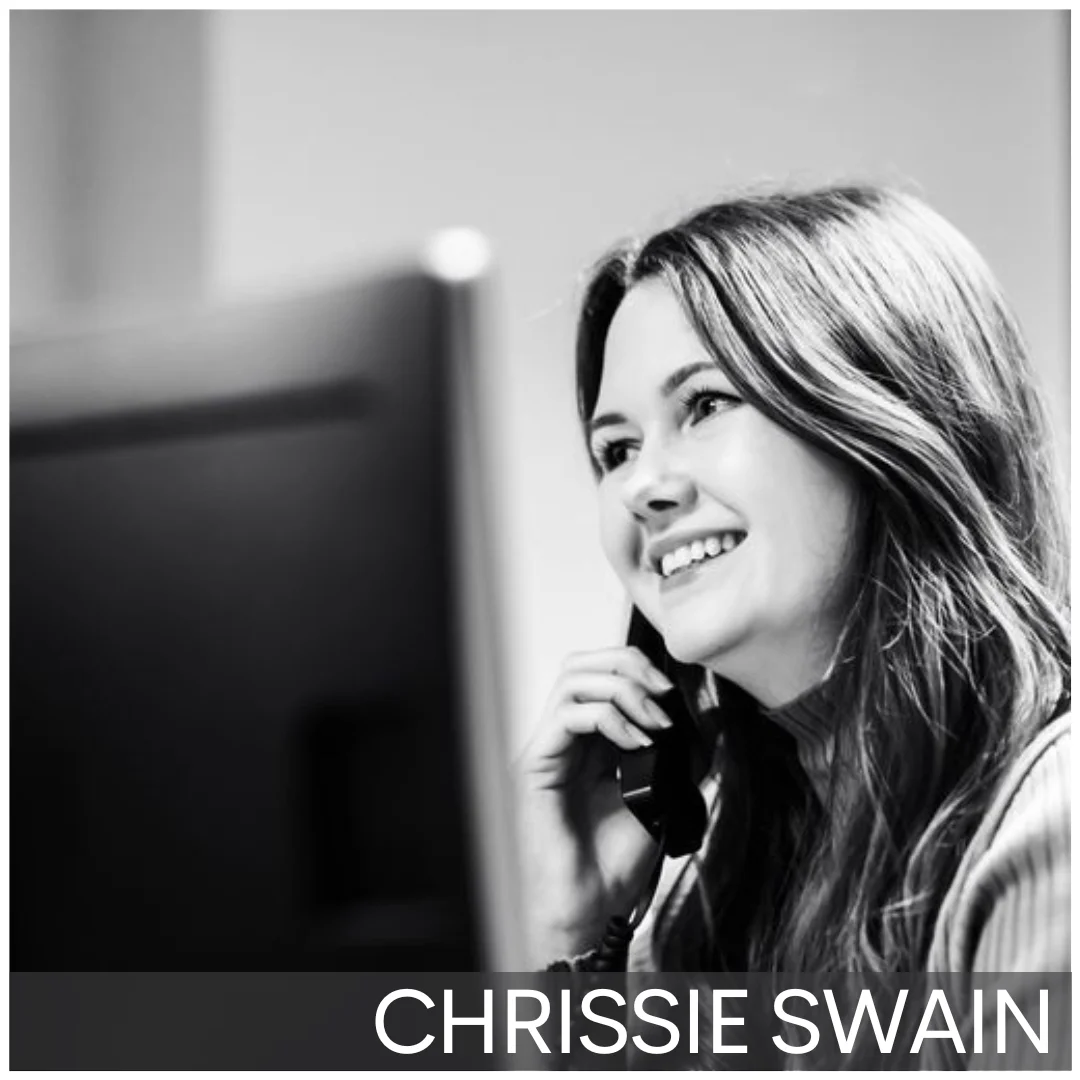
Chrissie looks after the guides, updates and little touches that make the process feel clearer and more organised from day one.
Whether you’re a sole trader, limited company director, or contractor, the mortgage is rarely the problem — it’s presenting your income in the way lenders expect. These answers look at the common sticking points.
Many lenders prefer two years of trading history, as it gives them a more reliable view of your income. Some lenders will consider one year, but the choice of lenders and deal options can be more limited.
If you’re close to having two years available, it can sometimes be worth planning the timing carefully. We’re also happy to liaise with your accountant where needed, so your income evidence is presented clearly and consistently.
Potentially, yes — but it depends on your situation and the lender. Lenders will want to see that the income is sustainable, and they may look more closely at your industry, contract history (if relevant), and the strength of your figures.
The practical approach is to get an early sense-check before you fall in love with a property, so you know what’s realistic. We’ll also make sure you’ve got the right documents in the right format, as that’s often what slows self-employed cases down.
Different lenders assess limited company income in different ways. Many will use salary plus dividends. Some will consider salary plus net profit instead, and some may take account of retained profit as part of the wider picture.
This is why self-employed mortgages aren’t “harder” — they just need to be matched to the right lender. We’ll identify which income figure is most favourable for you and package the application accordingly.
Most lenders will ask for proof of ID and address, bank statements, and self-employed income evidence such as SA302s, tax year overviews, and/or your business accounts (depending on whether you’re a sole trader, partnership, or limited company).
We’ve built practical guides and checklists here:
Read more: mortgage application documents
Read more: mortgage application documents
If you need help downloading the right format (not screenshots), start here:
Read more: bank statement guides
It can. Changing from sole trader to limited company (or vice versa) can affect how lenders view your income history, because the “evidence clock” may effectively reset depending on the lender and the structure.
If you’re planning a change, it’s worth discussing it before you do it — sometimes a small timing decision can make the mortgage side much smoother.
Not necessarily — but it can be more detailed. Lenders don’t see self-employment as “riskier” by default, but they do need clearer evidence of income. Instead of payslips, they’ll look at accounts, SA302s, tax overviews, or company figures depending on how your business is structured.
The key difference isn’t difficulty — it’s preparation. When income is presented clearly and matched to the right lender’s criteria, self-employed applications can be just as straightforward as employed ones.
We’re proud to have helped first-time buyers, home movers, remortgagers and self-employed clients across Broadstairs, Thanet and beyond. Here’s what some of them had to say:
THINK CAREFULLY BEFORE SECURING OTHER DEBTS AGAINST YOUR HOME.
YOUR HOME MAY BE REPOSSESSED IF YOU DO NOT KEEP UP REPAYMENTS ON YOUR MORTGAGE OR ANY OTHER DEBT SECURED ON IT.
IMPORTANT: With investments, your capital is at risk. Pensions and investments can go down in value as well as up, so you could get back less than you invest.
Need Financial Planning Ltd is registered in England and Wales no. 10901658. Registered office, 123 High Street, Broadstairs, Kent, CT10 1NQ. Authorised and regulated by the Financial Conduct Authority. Need Financial Planning Ltd is entered on the Financial Services Register https://register.fca.org.uk/ under reference 977136. If you wish to register a complaint, please write to [email protected] or telephone 01843 228800. A summary of our internal complaints handling procedures for the reasonable and prompt handling of complaints is available on request and if you cannot settle your complaint with us, you may be entitled to refer it to the Financial Ombudsman Service at www.financial-ombudsman.org.uk or by contacting them on 0800 0234 567.
© Copyright 2022 Need Financial Planning Ltd. All rights reserved. Privacy Policy | Disclaimer | Cookie Policy